MRI and CT Scans
MRI and CT Scans: What You Should Know Before Your Test
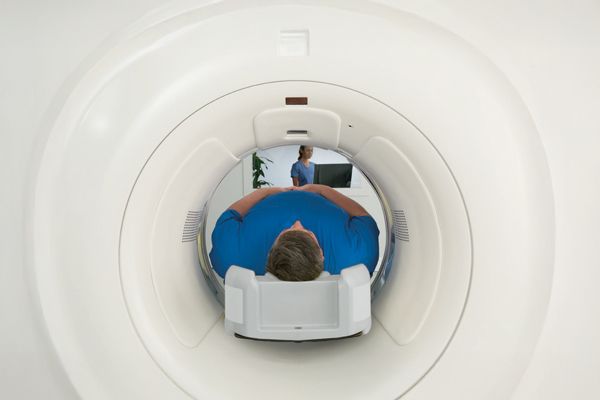
If your provider orders an MRI or CT scan, you may have questions right away. What is the scan for? Will it be uncomfortable? How does it help?
At Pomerene, MRI and CT scans are performed with advanced technology designed to give your provider clear images while making the experience easier on you.
Our MRI machine offers more space during the scan, which can help it feel less closed in. And our CT scanner uses low-dose technology to capture clear images with less radiation than older systems.
How MRI and CT scans work
An MRI uses a magnetic field and radio waves to create detailed images without using x-rays. It is often used when your provider needs a closer look at soft tissues, joints, the spine, or other areas where detail matters.
A CT scan uses x-rays and computer technology to create detailed cross-section images of the body. These images help providers look at bones, organs, blood vessels, and internal injuries. CT scans are often used to help diagnose or rule out problems involving cancer, cardiovascular disease, infection, trauma, and musculoskeletal conditions.
In simple terms, both scans help your care team see more clearly. That can help explain pain, check an injury, look into symptoms, or guide the next step in your care.
Clear Answers and Better Guidance
For many people, the hardest part of imaging is not knowing what to expect. That is why clear communication matters. We take time to explain the process so you feel more prepared and the experience feels easier to manage.
That is part of the value of imaging at Pomerene. You are getting the technology needed to support your care, along with guidance that helps you know what to expect.
If your provider recommends an MRI or CT scan, it does not always mean something serious is wrong. Often, it means they want a clearer answer. These scans help your care team look deeper, understand more, and decide what comes next with greater confidence.
That is what imaging is for. It helps turn questions into answers. When the process is easier to understand and easier to get through, that is better for everyone who needs care.